
Quote without a site visit: when you can price remotely, and how to do it safely
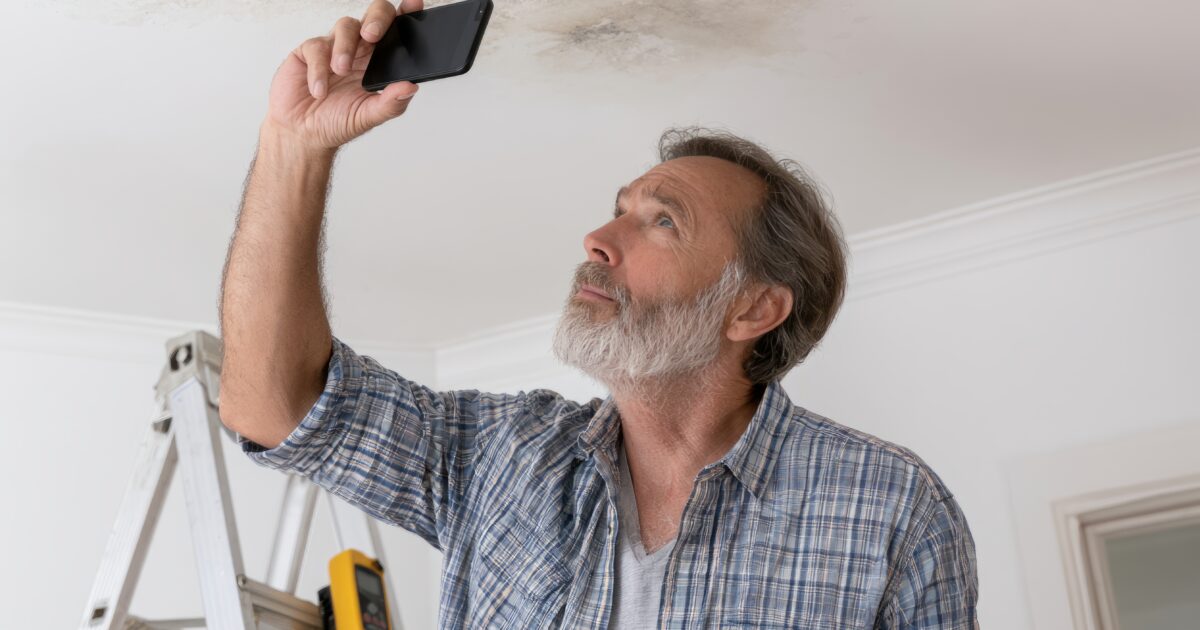
“I’ll send you two photos of the living room. How much to paint it?” Plenty of clients ask this way, and plenty of tradespeople answer on reflex: I’ll have to come and look. Meanwhile the client is already asking a third contractor, and the first one to name a number often wins the job.
Giving a quote without a site visit isn’t risk-free, but for many jobs it works. This article covers which jobs you can price from a photo and a few measurements, when you still need to go and look, what to ask the client for, and how to word an estimate so it doesn’t turn into an argument on site.
When can you quote without a site visit?
When the price depends on a few things the client can give you remotely: the size or quantity, the current condition, who supplies the materials, and how hard the job is to get to. If the unknown part is small, an estimated price or a tight price range is a well-founded answer. If the unknown part is large, such as wiring behind a wall or the cause of a leak, a remote price is a guess.
Which jobs can be priced from photos, and which need a visit?
The table below gives examples by trade. It is a general guide; judge your own jobs from your own experience.
| Job | You can price remotely if… | Go and look if… |
|---|---|---|
| Painting | You know the wall area or number of rooms and the walls are in good condition | There are cracks, damp stains or mould, or lots of repairs |
| Tiling | A simple, regular room, known m², old tiles staying or easy to remove | The floor may not be level, strip-out is needed, or it is a full wet-room refit |
| Electrical | Swapping light fittings or sockets, known quantities, a photo of the fuse box | Old wiring, a partial or full rewire, or doubts about the installation |
| Garden work | A regular area, known size, flat ground | Sloping ground, tree removal, or difficult access |
A simple rule of thumb: the more the price depends on what you can’t see (behind walls, under floors, in the ground), the less you should price remotely.
What to ask the client for so you can price remotely
- Specific photos. The whole room, the damaged or difficult area, and where it matters, the fuse box or the entrance. Ask for at least two or three angles.
- Measurements. Square metres, linear metres or number of units, whichever you price in. If the client isn’t sure, ask for a range, or ask them to measure two sides of the room.
- Current condition. Does anything need stripping out, skimming or repairing? A few multiple-choice options are enough.
- Access. Which floor, whether there’s a lift, where you can park, and whether water and power are available on site.
- Materials. Who buys them, and what level the client expects.
The easiest way to collect all of this is one form. We described which questions to include in our article on the quote request form.
When is a short video call worth it?
If the photos leave a gap but you don’t want to drive out for it, a ten to fifteen minute video call helps a lot. The client walks around with their phone, you ask about the details and ask for close-ups of anything that affects the price. It’s quicker than a site visit, and it shows the client you take the job seriously.
How to word an estimate so it doesn’t cause a dispute
Disputes usually start when the client reads as a final price what you meant as an estimate. Three habits prevent that:
- Call it an estimate and say what it’s based on. “Based on the photos you sent and the 24 m² you gave us.”
- Say what could change the price. For example: “If the walls turn out to be in worse condition than the photos suggest and need skimming, the price may change.”
- Give a range, and say when the price becomes final. For example: “Estimated price: HUF 180,000–220,000. We’ll confirm the final price after checking on site, before work starts.”
If reality differs from the photos when you start, tell the client the same day and agree the new price in writing. A simple message is enough; what matters is that the client knows about the difference before the work, not after. For legal questions, such as what counts as a binding offer, it’s worth asking a professional.
If you’re deciding whether to show an estimate at all, our article on instant quotes on your website weighs the benefits and the risks.
How EstiWise helps
EstiWise asks website visitors your own questions for each service and calculates an estimated price from their answers, based on your own pricing. You decide whether the visitor sees the estimate too, or only you do. You approve the final quote, and you can adjust it before it goes out. That way a remote estimate isn’t made up on the spot; it comes from your price list and the client’s answers.
FAQ
Can I give a binding quote without a site visit?
Technically yes, but if the condition of the job isn’t clear from the photos, it’s safer to give an estimate and attach conditions to it. For legal questions, ask a professional.
How many photos should I ask the client for?
Two or three per room is usually enough: the whole room, the problem area and the access. If something isn’t visible, ask for another and say exactly what you want to see.
What if the job on site differs from the photos?
That’s why the estimate should say what the price depends on. If you see a difference, tell the client before work starts and agree the new price in writing.
See it with your own services
Book a free 30-minute demo. If you share your website address, EstiWise builds your services and the matching questions from it before the call, so in the demo you see on your own jobs how an enquiry becomes an estimated price and a finished quote. Prefer to look around yourself? Try it free for 7 days, no credit card needed. EstiWise starts from HUF 15,000 per month.
Author: Vivien Hazuga